
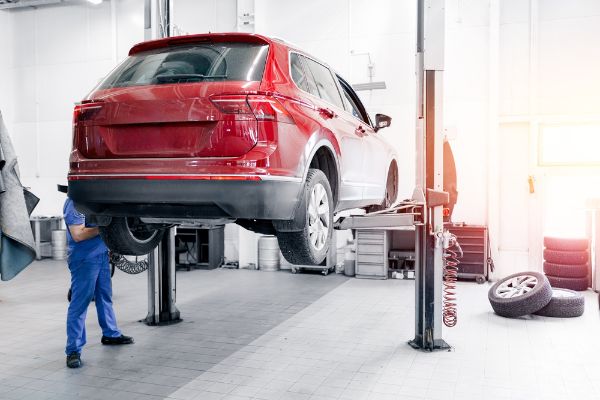
When your vehicle pulls to one side, your steering wheel sits crooked, or your tires begin wearing unevenly, you may wonder if you need an alignment. These symptoms can be easy to overlook, but they may indicate that your wheels are no longer positioned correctly.
A proper alignment helps your vehicle drive straight, handle predictably, and maintain even tire contact with the road. When your alignment is off, your vehicle may not perform as it should, and continued driving can place unnecessary stress on several important components.
What Is a Vehicle Alignment?
A vehicle alignment is a service that adjusts the angles of your wheels so they are positioned according to your vehicle manufacturer's specifications. Your wheels need to point in the correct direction and maintain the proper relationship with the road and one another.
During an alignment, a technician measures and adjusts alignment angles such as camber, caster, and toe when applicable. These adjustments help your vehicle maintain proper handling and allow your tires to contact the road as intended.
An alignment does not simply keep your vehicle traveling straight. It also helps support your steering, suspension, and tire performance.
How Does an Alignment Support Your Vehicle?
Your vehicle's tires, steering, and suspension work together every time you drive. Proper wheel alignment helps these systems operate as designed.
When your wheels are correctly aligned, you can benefit from:
- More predictable steering and handling
- Improved straight-line driving
- More even tire wear
- Better steering wheel positioning
- Reduced strain on steering and suspension components
- Improved overall driving performance
Keeping your wheels properly aligned can also help you get the most useful life out of your tires. Since tires are a significant vehicle expense, preventing unnecessary or uneven wear can be especially important.
What Happens When Your Alignment Is Off?
Your alignment can change for several reasons. Hitting a pothole, striking a curb, driving over rough roads, or experiencing an impact can alter wheel angles. Normal wear or problems with steering and suspension components can also contribute to alignment issues.
When your alignment is incorrect, your tires may no longer meet the road evenly. This can cause your vehicle to pull or drift, make your steering feel different, and create uneven tire wear.
Over time, an alignment problem can also place additional stress on components such as tires, steering components, suspension parts, and wheel bearings, depending on the underlying issue and the severity of the misalignment.
Signs You May Need an Alignment
So, does your vehicle need an alignment? Start by paying attention to changes in how it drives.
Your Vehicle Pulls to One Side
If your vehicle consistently pulls left or right when you are driving on a reasonably level road, an alignment issue could be one possible cause. You may find yourself making constant steering corrections to keep your vehicle traveling straight.
Your Steering Wheel Is Crooked
If your steering wheel is noticeably off-center while your vehicle is traveling straight, your wheel alignment may need to be checked. A crooked steering wheel can be an important warning sign, particularly if the problem appeared after hitting a pothole or curb.
Your Tires Are Wearing Unevenly
Check your tires regularly for unusual tread wear. If one edge of a tire is wearing significantly faster than the rest of the tread, an alignment problem could be contributing to the wear.
Uneven tire wear should not be ignored. Continuing to drive on improperly worn tires can affect traction and shorten tire life.
Your Vehicle Feels Unstable or Handles Differently
A change in steering or handling can indicate a problem with alignment, steering, suspension, or another component. If your vehicle feels different from normal, having it inspected can help identify the underlying cause.
Your Tires Are Wearing Out Faster Than Expected
If you are replacing tires more frequently than expected, an alignment problem may be part of the reason. Incorrect wheel angles can cause your tires to scrub against the road rather than wear evenly across the tread.
What Parts Can an Alignment Problem Affect?
An alignment issue primarily affects how your tires meet the road, but the consequences can be extended to other systems. Depending on the cause and severity, incorrect alignment can contribute to premature wear of:
- Tires: Incorrect wheel angles can cause uneven or accelerated tread wear.
- Steering components: Misalignment can affect how your vehicle responds to steering inputs.
- Suspension components: Existing suspension problems can contribute to alignment issues and may experience additional stress when your vehicle is not properly aligned.
- Wheel bearings: Abnormal forces and uneven tire contact can contribute to premature wear in some circumstances.
- Fuel economy: Increased rolling resistance from improper tire contact may negatively affect efficiency.
An alignment cannot repair a worn or damaged steering or suspension component. If a technician finds a failed part during an alignment inspection, that component may need to be repaired or replaced before a proper alignment can be completed.
When Should You Have an Alignment Checked?
You do not always need to wait until your vehicle develops an obvious symptom. It can be a good idea to have your alignment checked after hitting a significant pothole or curb, after an accident or other impact, or when installing new tires if you have concerns about existing alignment.
You should also have your vehicle inspected if you notice pulling, uneven tire wear, a crooked steering wheel, or changes in handling and the team at Knight's Automotive in Ledgewood can help.
Don't Ignore Alignment Problems
A wheel alignment may seem like a minor maintenance service, but it plays an important role in how your vehicle drives and how your tires and other components wear. Ignoring alignment problems can lead to uneven tire wear, reduced handling performance, and unnecessary stress on steering and suspension components.
If your vehicle is pulling to one side, your steering wheel is off-center, or your tires are wearing unevenly, schedule an inspection with a qualified auto technician at Knight's Automotive. Finding and correcting an alignment issue early can help you maintain proper vehicle performance and avoid unnecessary component wear.